The Future of Kitchen Design
The Evolution of Kitchen Design
Kitchen design has come a long way over the years, evolving from a purely functional space to a central hub of the home. As we look towards the future, it is clear that kitchen design will continue to evolve, driven by advancements in technology, changing lifestyles, and a growing focus on sustainability. In this article, we will explore the trending layouts for kitchens in 2024 and beyond, focusing on the integration of technology, the embrace of simplicity, and the importance of sustainability.
Smart Kitchens: Integrating Technology for Efficiency and Convenience
One of the most significant trends in kitchen design for the future is the integration of smart technology. With the rise of the Internet of Things (IoT), our kitchens are becoming more connected and intelligent than ever before. Smart appliances, such as refrigerators that can track inventory and suggest recipes based on available ingredients, or ovens that can be controlled remotely through a smartphone app, are becoming increasingly popular.
According to a report by Allied Market Research, the global smart kitchen appliances market is expected to reach $38.5 billion by 2024, growing at a CAGR of 23.4% from 2018 to 2024. This indicates a strong demand for smart kitchen solutions that offer efficiency and convenience to homeowners.
In addition to smart appliances, kitchen design in the future will also incorporate voice-activated assistants, such as Amazon’s Alexa or Google Assistant, to control various aspects of the kitchen. Imagine being able to ask your virtual assistant to preheat the oven, turn on the coffee maker, or adjust the lighting without lifting a finger. This level of automation and convenience will revolutionize the way we interact with our kitchens.

Minimalist and Multifunctional: Embracing Simplicity in Kitchen Layouts
Another prominent trend in kitchen design for the future is the embrace of minimalism and multifunctionality. As urban living spaces become smaller and more compact, homeowners are looking for ways to maximize the functionality of their kitchens without sacrificing style.
One popular layout that embodies this trend is the open-concept kitchen. By removing walls and barriers, open-concept kitchens create a seamless flow between the kitchen and the rest of the living space, making it easier to entertain guests and interact with family members while cooking. This layout also allows for more natural light to enter the space, creating a bright and airy atmosphere.
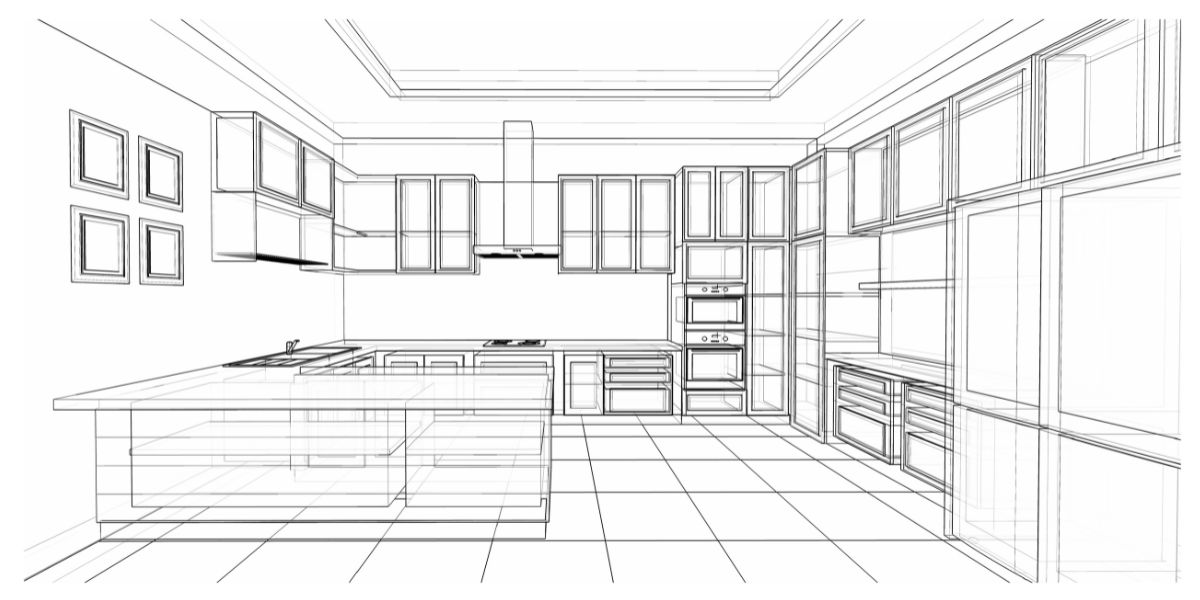
In terms of functionality, kitchen islands are becoming increasingly popular. These multifunctional workstations serve as a prep area, dining space, and storage solution all in one. With built-in sinks, cooktops, and ample counter space, kitchen islands provide homeowners with a versatile and efficient workspace.
Sustainable and Eco-Friendly: Designing Kitchens for a Greener Future
As the world becomes more conscious of the environmental impact of our actions, sustainability is becoming a key consideration in kitchen design. From energy-efficient appliances to eco-friendly materials, homeowners are looking for ways to reduce their carbon footprint without compromising on style or functionality.
One way to achieve a sustainable kitchen design is through the use of energy-efficient appliances. According to the U.S. Department of Energy, kitchen appliances account for approximately 15% of a household’s energy consumption. By opting for appliances with high energy-efficiency ratings, homeowners can significantly reduce their energy usage and lower their utility bills.
In addition to energy-efficient appliances, sustainable kitchen design also involves the use of eco-friendly materials. For example, bamboo is a popular choice for kitchen cabinets and flooring due to its fast-growing nature and renewable properties. Recycled materials, such as glass countertops made from recycled bottles or reclaimed wood for kitchen furniture, are also gaining popularity.
Furthermore, water conservation is a crucial aspect of sustainable kitchen design. Installing low-flow faucets and water-saving dishwashers can help reduce water consumption, while composting systems can turn food waste into nutrient-rich soil for gardening.
Conclusion
The future of kitchen design is exciting and full of possibilities. With the integration of smart technology, kitchens will become more efficient and convenient than ever before. Embracing minimalism and multifunctionality will allow homeowners to maximize the functionality of their kitchens in smaller living spaces. Lastly, designing kitchens with sustainability in mind will contribute to a greener future for our planet. By incorporating these trends into kitchen design, we can create spaces that are not only aesthetically pleasing but also practical, efficient, and environmentally friendly.