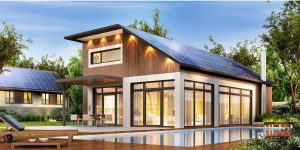

Building a custom home is an exciting and rewarding endeavor, allowing you to create a living space that perfectly suits your lifestyle and preferences. However, one of the most crucial aspects of this process is budget planning. Proper budgeting ensures that your project stays on track financially and helps avoid unexpected costs that could derail your plans. Here’s a comprehensive guide on how to plan your budget for a custom home build.
Determine Your Total Budget
Assess Your Financial Situation
Before you begin planning your custom home, take a close look at your financial situation. Consider your savings, income, and any available financing options. This will give you a clear picture of how much you can realistically spend on your new home.
Pre-Approval for a Mortgage
If you’re planning to finance your custom home build with a mortgage, it’s essential to get pre-approved. This will not only give you a better understanding of your borrowing capacity but also show sellers and contractors that you are a serious buyer.
Outline Your Priorities
List Your Must-Haves and Nice-to-Haves
Make a list of essential features and amenities you want in your custom home, such as the number of bedrooms, bathrooms, and specific architectural styles. Also, list additional features that are desirable but not essential. This will help you allocate your budget more effectively and make informed decisions if you need to cut costs.
Plan for Future Needs
Consider your future needs and how they might affect your home’s design and budget. For instance, if you plan to expand your family, you might want extra bedrooms or flexible spaces that can be adapted over time.
Research and Select a Reputable Builder
Choose the Right Builder
Selecting a reputable and experienced builder like Filshie Enterprises is crucial for staying within budget. A good builder will provide accurate cost estimates, help you make cost-effective choices, and manage the construction process efficiently.
Request Detailed Estimates
Once you’ve selected a builder, request detailed estimates for all aspects of the project. This should include labor, materials, permits, and any other associated costs. Having a comprehensive estimate will help you understand where your money is going and identify potential areas for savings.
Allocate Funds for Each Phase
Land Purchase and Site Preparation
The first significant expense is the purchase of the land. This cost can vary widely depending on the location, size, and desirability of the plot. Additionally, site preparation, including clearing the land, grading, and installing utilities, should be factored into your budget.
Design and Architectural Fees
Hiring an architect or designer to create your custom home plans is another essential expense. Fees can vary based on the complexity of the design and the professional’s experience. Some builders offer design services as part of their package, which can simplify the process and potentially reduce costs.
Construction Costs
Construction costs typically represent the largest portion of your budget. This includes the cost of materials, labor, and any subcontractors required for specialized work (e.g., plumbing, electrical, roofing). It’s crucial to get a detailed breakdown of these costs to manage your budget effectively.
Interior Finishes and Fixtures
Interior finishes and fixtures, such as flooring, cabinetry, countertops, and appliances, can vary significantly in cost depending on the quality and style you choose. Allocate a specific portion of your budget for these items and be prepared to make trade-offs if necessary.
Landscaping and Exterior Work
Don’t forget to budget for landscaping and exterior work, such as driveways, patios, and fencing. These elements can enhance the curb appeal and functionality of your home but can also add significant costs.
Plan for Contingencies
Set Aside a Contingency Fund
Unexpected costs can arise during any construction project, whether due to unforeseen site conditions, design changes, or material price fluctuations. It’s wise to set aside a contingency fund of 10-20% of your total budget to cover these unexpected expenses.
Regular Budget Reviews
Throughout the construction process, regularly review your budget and compare actual expenses to your estimates. This will help you stay on track and make adjustments as needed to avoid overspending.
Consider Long-Term Costs
Energy Efficiency and Sustainability
Investing in energy-efficient and sustainable features can have higher upfront costs but can save you money in the long run through reduced utility bills and maintenance expenses. Consider features such as high-efficiency HVAC systems, solar panels, and quality insulation.
Maintenance and Upkeep
When planning your budget, also consider the long-term maintenance and upkeep of your custom home. Choosing durable materials and quality craftsmanship can reduce the need for repairs and replacements, ultimately saving you money over time.
Financing Options and Loan Types
Construction Loans
Construction loans are specifically designed for custom home builds and are typically short-term loans that cover the cost of construction. Once the home is completed, the loan is converted into a standard mortgage. Understanding the terms and conditions of construction loans will help you manage your budget more effectively.
Line of Credit
A home equity line of credit (HELOC) can be an option if you have significant equity in your existing home. This allows you to borrow against the value of your home to finance your custom build. Be sure to explore all financing options and choose the one that best fits your financial situation.
Conclusion
Planning your budget for a custom home build in Sonoma or Napa County requires careful consideration and detailed planning. By assessing your financial situation, outlining your priorities, selecting a reputable builder, and allocating funds for each phase of the project, you can ensure a smooth and financially sound construction process. Remember to set aside a contingency fund for unexpected costs and consider long-term expenses when making your budget decisions.
For expert guidance and high-quality construction, contact Filshie Enterprises. We’re here to help you build the custom home of your dreams, on time and within budget.