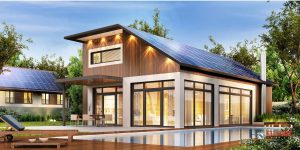

In the ever-evolving landscape of home construction, technology plays a pivotal role in transforming ideas into reality. From design and planning to construction and finishing touches, modern custom home building is increasingly reliant on innovative technologies. These advancements not only streamline the building process but also enhance the functionality, sustainability, and comfort of the homes we create. Here’s an in-depth look at the role of technology in modern custom home building.
Design and Planning
Advanced Software and Tools
Building Information Modeling (BIM)
Building Information Modeling (BIM) is a game-changer in custom home design. This technology allows architects and builders to create detailed 3D models of the home, incorporating every aspect from structural elements to electrical systems. BIM facilitates better collaboration, reduces errors, and ensures that the final product aligns closely with the initial vision.
Computer-Aided Design (CAD)
Computer-Aided Design (CAD) software has long been a staple in architecture and construction. Modern CAD tools offer advanced features that enable precise drawings and renderings, helping clients visualize their custom home in stunning detail. These tools also allow for easy modifications, ensuring that every detail can be tailored to the client’s preferences.
Virtual Reality (VR) and Augmented Reality (AR)
Virtual Reality (VR) and Augmented Reality (AR) technologies are revolutionizing the way clients experience the design process. VR can create immersive 3D environments that allow homeowners to walk through their custom home before construction begins. AR overlays digital information onto the physical world, enabling clients to see how different design elements will look in real-time.
Smart Home Integration
Home Automation Systems
Smart Lighting and Climate Control
Modern custom homes increasingly feature integrated home automation systems that enhance convenience and energy efficiency. Smart lighting systems can be programmed to adjust based on the time of day or occupancy, while smart thermostats learn homeowners’ schedules to optimize heating and cooling, reducing energy consumption and costs.
Security and Surveillance
Advanced security systems are an integral part of modern custom homes. These systems include smart locks, video doorbells, and surveillance cameras that can be monitored and controlled remotely. Homeowners can receive real-time alerts and access live video feeds from their smartphones, ensuring peace of mind.
Voice-Activated Assistants
Voice-activated assistants like Amazon Alexa, Google Assistant, and Apple’s Siri have become central to smart home ecosystems. These devices can control various home functions, from playing music and setting reminders to adjusting lighting and climate settings. Integrating these assistants into a custom home design enhances convenience and creates a seamless living experience.
Sustainable Building Practices
Energy-Efficient Technologies
Solar Panels and Renewable Energy
Sustainability is a key consideration in modern custom home building. Solar panels and other renewable energy sources are becoming standard features, allowing homeowners to generate their own electricity and reduce reliance on the grid. Battery storage systems can store excess energy for use during peak times or outages, enhancing energy independence.
High-Performance Insulation and Windows
Advanced insulation materials and high-performance windows contribute to better energy efficiency by minimizing heat loss in winter and heat gain in summer. Technologies such as double or triple glazing and low-emissivity (Low-E) coatings on windows help maintain a comfortable indoor environment while reducing energy costs.
Water Conservation
Water conservation technologies, including low-flow fixtures, rainwater harvesting systems, and smart irrigation controllers, are essential for creating environmentally friendly custom homes. These technologies help reduce water consumption and promote sustainable living practices.
Construction Techniques
Prefabrication and Modular Construction
Prefabrication and modular construction techniques leverage technology to improve efficiency and reduce waste. Prefabricated components are manufactured in controlled environments, ensuring high quality and precision. These components are then transported to the construction site and assembled, speeding up the building process and minimizing disruption.
Drones and Robotics
Drones and robotics are increasingly used in construction to enhance safety and efficiency. Drones provide aerial surveys and progress monitoring, offering valuable insights into the construction process. Robotics can handle repetitive tasks such as bricklaying and concrete pouring, improving accuracy and reducing labor costs.
Enhanced Communication and Collaboration
Project Management Software
Project management software tools are essential for coordinating the various aspects of custom home building. These platforms facilitate communication between architects, builders, contractors, and clients, ensuring that everyone stays on the same page. Features like scheduling, budgeting, and document sharing streamline the construction process and help keep projects on track.
Cloud-Based Collaboration
Cloud-based collaboration tools allow team members to access and update project information from anywhere. This real-time access to data ensures that all stakeholders are informed of the latest developments, reducing the risk of miscommunication and errors.
Post-Construction Technologies
Smart Home Monitoring
Once the home is built, smart home monitoring systems continue to play a crucial role. These systems track the performance of various home systems, providing insights into energy usage and alerting homeowners to potential issues before they become significant problems.
Maintenance and Upgrades
Technology also aids in the ongoing maintenance and upgrading of custom homes. Homeowners can schedule regular maintenance tasks and receive reminders, ensuring that their home remains in excellent condition. Additionally, the modular nature of many modern systems makes it easier to upgrade components as new technologies become available.
Conclusion
Technology is at the forefront of modern custom home building, enhancing every stage from design and planning to construction and post-construction management. Advanced design tools, smart home integration, sustainable building practices, innovative construction techniques, and enhanced communication platforms all contribute to creating homes that are more efficient, comfortable, and tailored to the needs of homeowners. As technology continues to evolve, the possibilities for custom home building will only expand, offering even greater opportunities to create the perfect living space.
Contact Filshie Enterprises Today!